AMAZONIA WILDLIFE ADVENTURES

A 10-Day Journey into the Brazilian Amazon

Wildlife • Bird watchers dream • Rainforest • Rivers • Culture • History

Explore the Amazon around Alter do Chão with experienced multilingual biologists.

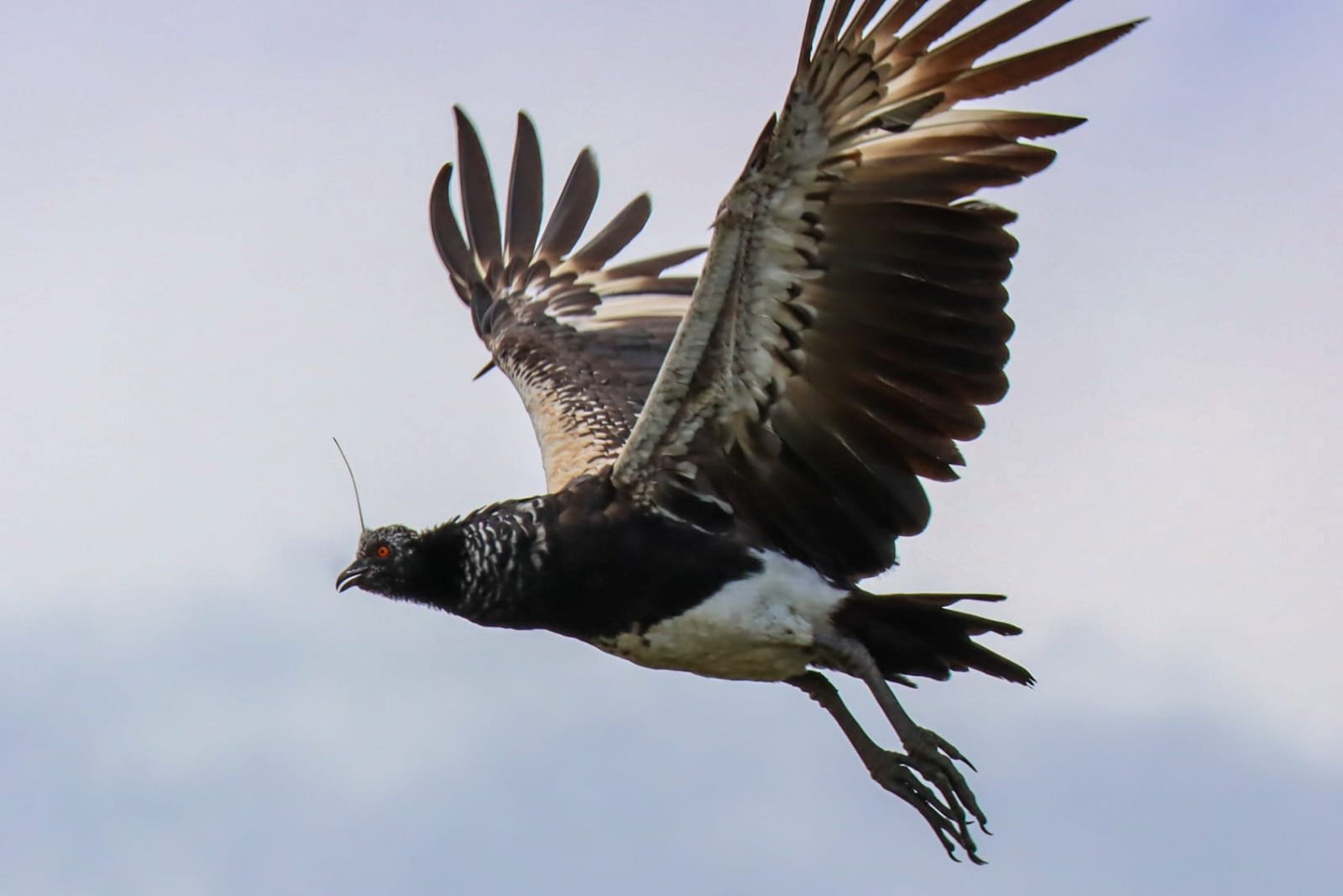
Horned Screamer
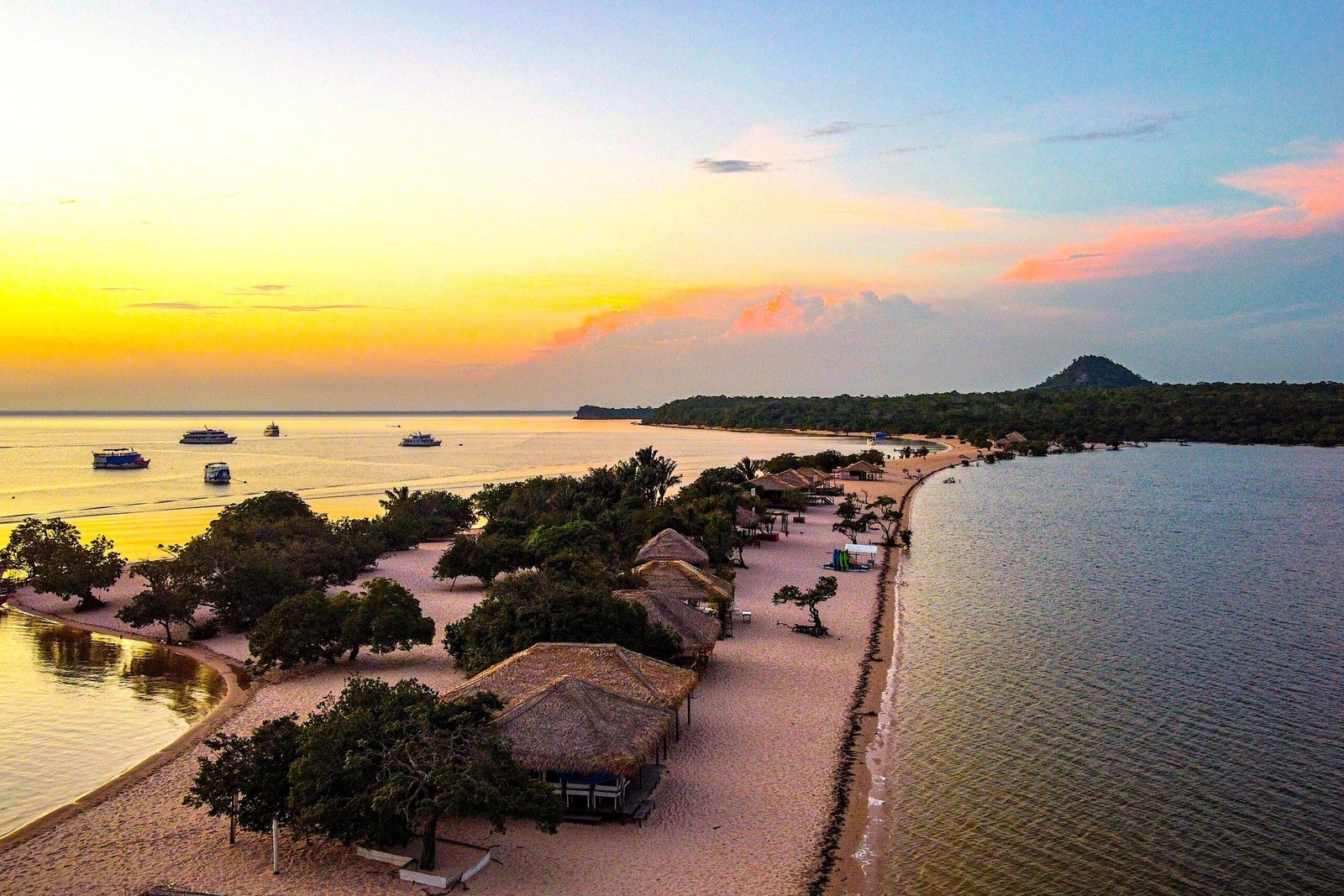
Ilha do Amor
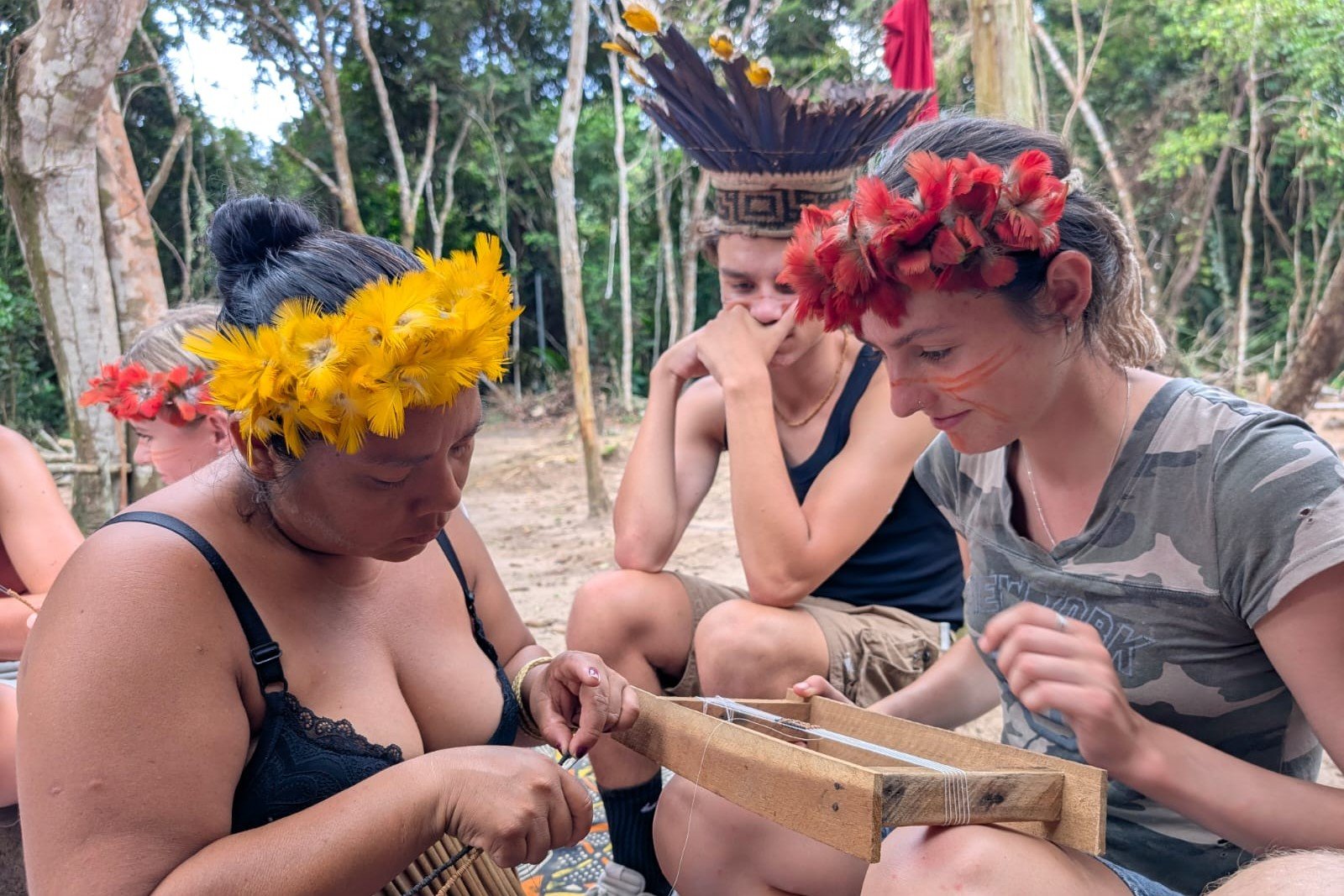
Indiginous

Our Mission: True Eco-Tourism

AWA is not just a tourism agency, it’s a model for how environmental tourism should be done with direct connections to the biologist who make the discoveries, the wildlife that we seek to protect and the local communities that inhabit the region.

AWA has a profit-sharing model with IPBio so our guests contribute directly to research, conservation and environmental education projects.

Through this partnership we have managed to make some spectacular accomplishments including the discovery of 6 new species, the release of over 1000 birds captured from the illegal wildlife trade, reforestation of keystone species in both the Atlantic Forest and the Amazon and publications in the scientific journals as well as media coverage by CNN and National Geographic.

Moreover, as our guest on the Amazon Expedition, you will be led by experienced and knowledgeable IPBio biologists who are specialized at wildlife observation and can provide deeper insights into the ecology of species and conservation issues.

Highlights:

  • Knowledgeable and multilingual biologists as guides
  • Directly support research and conservation
  • Multi-year research to show our guests the hidden wonders of the Amazon
  • Direct contribution to reforestation of the Amazon
  • Agency with the highest ecological practices
  • Gain a deeper understanding of the Amazon and conservation challenges

IPBio Research Partners

Este conteúdo está bloqueado porque ele se conectaria a YouTube.

IPBio – Biodiversity Research Institute is a non-profit research institute (NGO) that is recognized by UNESCO as an advanced outpost reserve for their work in projects related to environmental education, conservation and scientific research on biodiversity, ecology as well as on the behaviour of species of fauna and flora of Brazilian ecosystems.

Decades of research has allowed our biologists to learn the nuanced rhythm of the forest and the wildlife that inhabits it so why not use that knowledge in guiding. Head out into the forest with published scientists who can shed light on the secret of nature and the jaw dropping biodiversity of species as well as their ecological connections.

Biologists and Guides

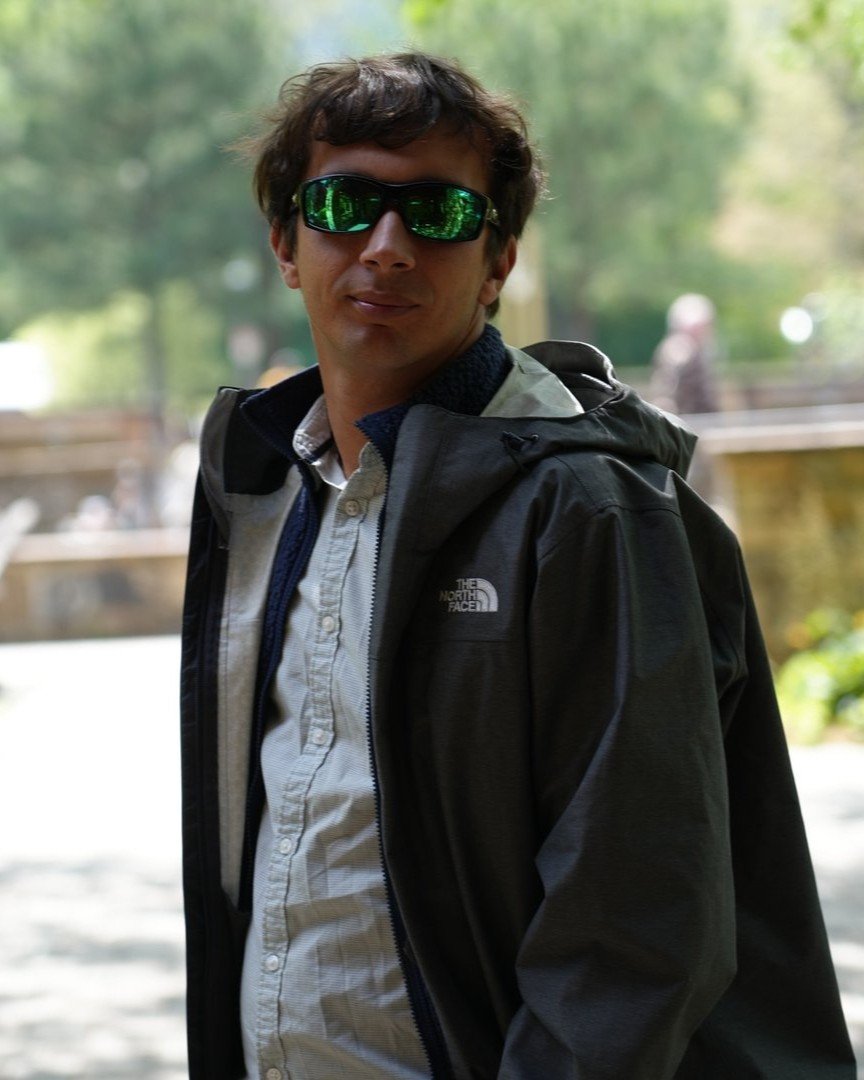
Imran Viroomal

Imran is a Brazilian-British biologist with an international background spanning India, Spain, the UK, Portugal, Canada, Argentina and Ecuador, and more than a decade in Brazil. He studied Economics and Politics at McGill University, focusing on climate justice and Latin American economic development.

As Head of Communications at IPBio and Manager of its Amazon reserve, Reserva Jutuarana, Imran combines biodiversity research with a commitment to conservation. His publications cover amphibians and bioacoustics, including a study in Scientific Reports, part of the Nature Portfolio, describing a newly discovered species of larva that emits blue bioluminescence. He also serves on the board of FreeWildlifeBrazil Celine, an NGO dedicated to returning native wildlife to nature.


imran

Marleen Duindam

Marleen is a Dutch biologist with over a decade of experience in field research in Brazil. As Head Biologist at IPBio, she oversees a wide range of research projects, studying mammals, fungi, arthropods, amphibians, birds and more. Her broad knowledge and hands-on experience bring a scientific perspective to exploring the Amazon, helping visitors discover and understand its remarkable biodiversity.

marleen

Karim Abu Bakr

Karim is a naturalist guide and fish expedition leader who has been exploring the Amazon since 2016. He studied journalism, public relations and languages at the Moscow State Institute of International Relations in Russia. Combining his field experience with photography, journalism and marketing, Karim shares the Amazon’s wildlife and stories while promoting ecotourism and conservation.

karim

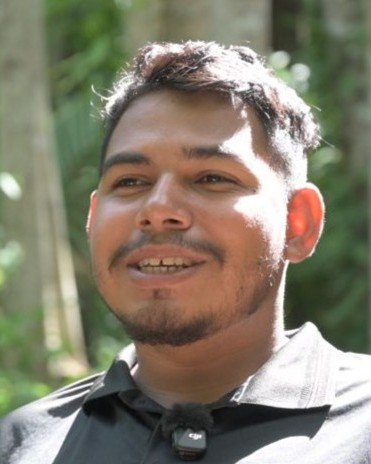
Leandro Palma da Jesus

Born and raised in Alter do Chão, Leandro brings an intimate knowledge of the region’s forests and rivers to every adventure. In 2020, he established a local reforestation programme to restore natural habitats. His research interests include fungi cultivation and fish biodiversity, combining his deep local roots with a commitment to understanding and protecting the Amazon.

leandro
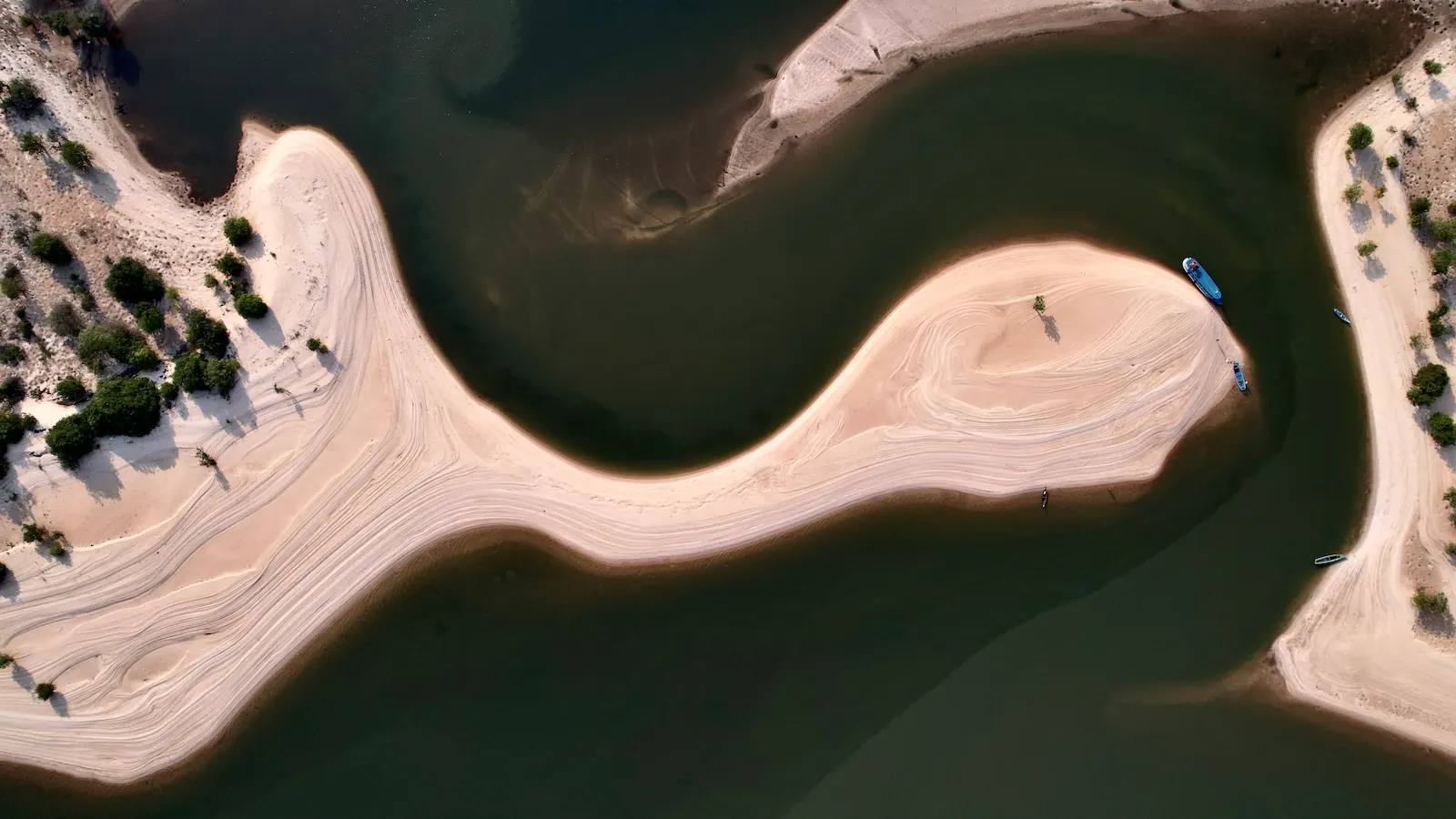
Aerial view of a rainforest waterway

Why Visit Alter do Chão - Amazon

Undoubtedly, we all know the Amazon rainforest is the world's largest and most biodiverse rainforest, housing roughly 10% of all known species on Earth…. But why did we choose this region and Alter do Chão specifically?

In summary, the answer is: microbiomes, biodiversity and close to no mosquitos!

The Amazon is ginormous and to visit it all would be impossible but what Alter do Chão uniquely offers in the confluence of diverse habitats representative of the Amazon allowing guests to explore the range of landscapes and biodiversity in a small geographical area.

We have the classic mud banks of the Amazon but we also have sandy white beaches that almost look like the Caribbean. Hence the nickname the “Caribbean of the Amazon” and the award by the Guardian Newspaper as the “best beach” in Brazil due to its unique fresh water sand beaches

Moreover, the area combines continuous upland forests, seasonally flooded forests (igapós), streams (igarapés), white-sand savannas which support wider range of biodiversity in each niche environment.

Soil variations (such as clay-rich forest patches versus sandy savanna soils) and natural habitat borders support specialized plant, ant, bird, and mammal populations adapted to specific micro-environments

But we must not forget water, water is life in the Amazon! After all, we call it the Amazon Rainforest due to the Amazon River which formed approximately 9 to 11 million years ago when tectonic shifts and the rising of the Andes Mountains reversed the flow of the river toward the Atlantic Ocean.

In this region we find the encounter of two of the large rivers namely the Amazon and the Tapajos River where an abundance of fresh water species occur such as the pink river dolphin, the amazonian manatee and over 2000 species of fish. Luckily being on the Tapajos river provides another massive benefit which is the acidity of the water and the open, wind-exposed sandy beaches create a harsh environment where mosquito larvae cannot easily survive or find food

Last but not least, Alter do Chão sits on top of the largest Aquifer, in terms of volume of water, which the region benefits from constant water availability alongside dramatic seasonal flooding which provides for spectacular views and clean water to drink! It is estimated that the fresh clean water under Alter do Chão could supply the global population for over 250 years!

Reviews